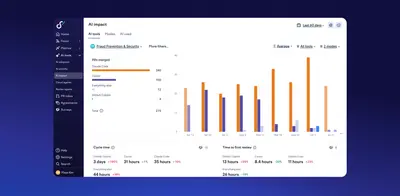
Swarmia
Analyze engineering work, AI adoption, developer experience, and software capitalization in Jira.
SwarmiaFree
Loads Jira data and links tickets with code activity for time-series analysis and reporting.
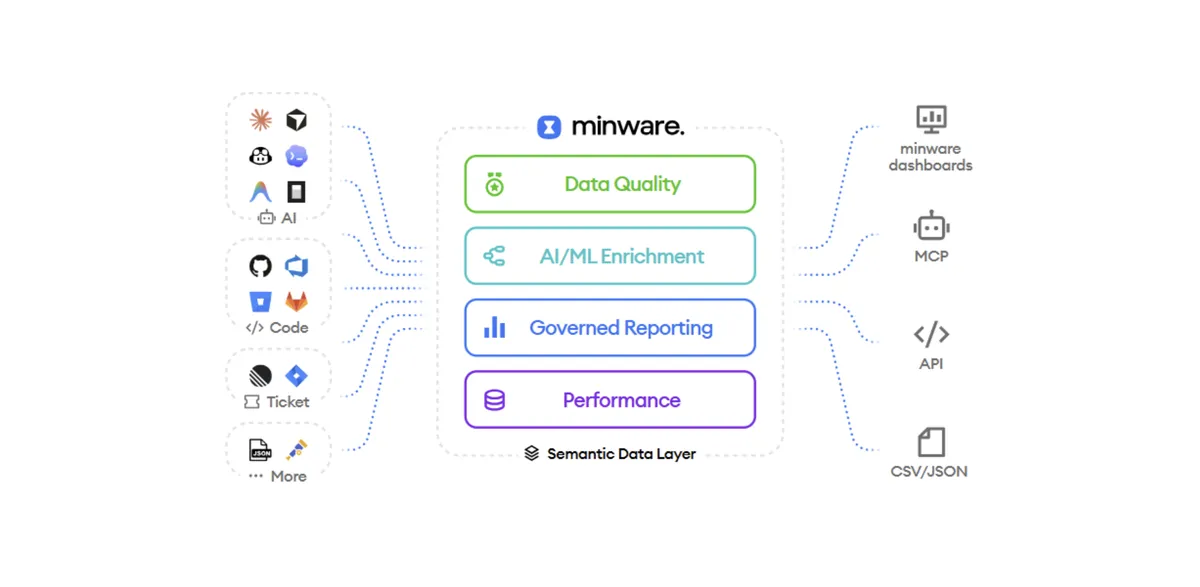
Loads data, traces commit relationships, and connects code with tickets to create a time-series dataset. Reports cover AI tool usage, pull requests, tickets, and other software development lifecycle data. Custom reports can also be created without changing existing workflows.
Builds a historical dataset from loaded data, commit relationships, and links between code and tickets.
Provides a dashboard for tracking adoption and use of coding tools including GitHub Copilot, Cursor, Claude Code, and Codex.
Analyzes AI usage, pull requests, tickets, and other software development lifecycle data.
Allows users to create custom reports.
Makes the connected dataset accessible with minQL.
Engineering leaders and software development teams.
Minware Data Ingest, Swarmia, and OnPace - Measure AI's Impact are all free cloud listings. Minware Data Ingest was updated in Aug 2025, compared with Swarmia in Mar 2026 and OnPace in Aug 2026.
| Name | Pricing | Deployment | Updated |
|---|---|---|---|
| this plugin | Free | Cloud | |
| Swarmia | Free | Cloud | |
| OnPace - Measure AI's Impact | Free | Cloud |
630 plugins in Jira · Data and analytics
Price distribution: 189 free, 230 freemium, 211 paid
Analyze engineering work, AI adoption, developer experience, and software capitalization in Jira.
Swarmia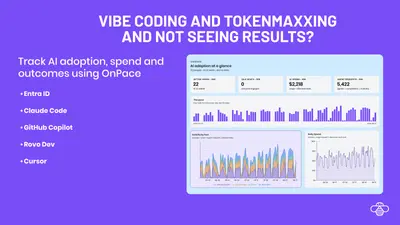
Measures Rovo's impact in Jira using trend analysis, attribution, agent feedback, and project data.
Onward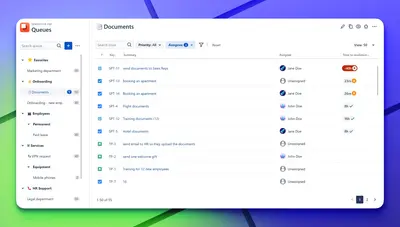
Organizes Jira and JSM issues from multiple projects into shared queues with access controls and queue management.
Deviniti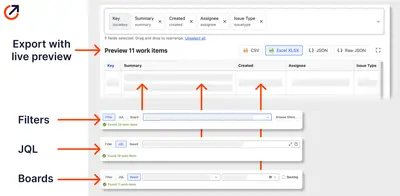
Scheduled Jira exports create reports with custom fields, change history, and delivery by email, SFTP, download link, or API.
Advanced Insights«minware does all the hard work for you – loading data, tracing commit graphs, and linking code/tickets to build a full-time-series data set (accessible from anywhere with minQL, of course) so you can view your data at any point in the past, and see how each person spent their time with auditable precision …»